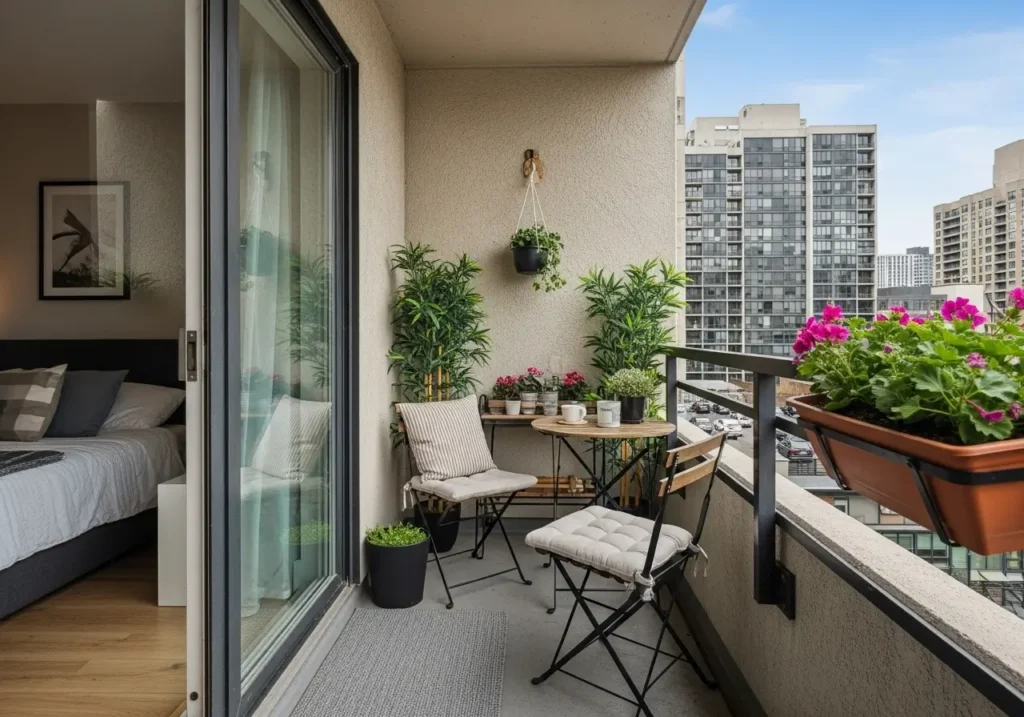
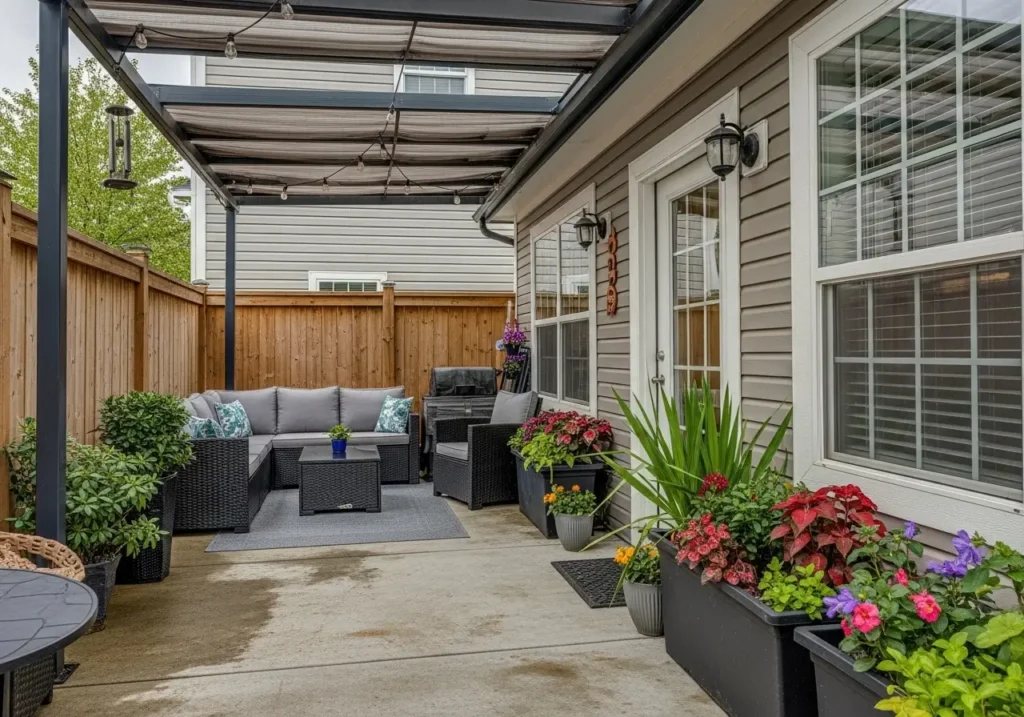
The best Backyard Patio Ideas are not always the biggest or most expensive ones. They are the ones that make you walk outside and actually want to stay there. I’ve seen tiny patios feel warm, layered, and useful with just a smart seating plan, good lighting, and one strong focal point. I’ve also seen big backyards filled with furniture that looked impressive online and completely awkward in real life. A patio works when it feels like an outdoor room with a clear purpose, not a random patch of paving with chairs dropped on top.
That is the shift worth making. Stop thinking only about décor. Think about behavior. Do you want a patio for long dinners, quiet coffee, reading in the evening, hosting friends, letting kids play nearby while you relax, or all of it at once? Once you answer that honestly, the design decisions get easier. The patio starts shaping itself around how you live instead of how a catalog photo told you to decorate.
Backyard Patio Ideas that start with function, not furniture
A lot of patio mistakes happen before anyone buys a chair. People start with a style they like, then try to force that look onto a space that has different needs. A compact backyard does not need the same layout as a long suburban patio. A sunny, exposed yard will behave differently from a shaded corner near the house. If you ignore those basics, even pretty furniture feels wrong.
The first thing I do with any patio concept is divide it by use. Not by aesthetics. By use.
Ask yourself:
Will you eat outside often or only occasionally?
Do you need dining, lounging, or both?
Is this a solo retreat, a family zone, or an entertaining area?
How much sun hits the space in late afternoon?
Will cushions stay outside, or do you hate managing them?
Do you need room for kids, pets, or traffic to pass through?
That last point matters more than most design articles admit. A patio that blocks movement is irritating within days. A patio with a clear path feels instantly calmer.
A practical patio planning formula
Before you buy anything, sketch the space and label these zones:
Entry or walkway.
Main seating area.
Dining area, if needed.
Shade source.
Lighting source.
Storage or side table location.
Planting or softening element.
This sounds simple because it is. But it works. One of the best patio decisions I ever made on a small layout was refusing to overcrowd it. Instead of forcing a dining table and a lounge set into one rectangle, I used a loveseat, two compact chairs, and a side table that could double as a drinks perch. The space instantly felt bigger because every piece had a job.
Small backyard patio ideas that do not feel cramped
Small patios get underestimated. People assume they need to settle for “cute but limited.” Not true. A small patio can feel better than a large one because it encourages better editing. There is less room for clutter, fewer chances to overbuy, and more pressure to make every piece count.
Use fewer, better pieces
The fastest way to ruin a small patio is to add too much furniture. Tiny chairs, a little bench, a bistro table, two stools, a storage box, and a plant stand may all seem manageable individually. Together, they create a maze.
For a small patio, I prefer one of these setups:
Choose pieces with visible legs or open frames. Furniture that lets you see more floor makes the patio feel less blocked. Heavy boxed-in silhouettes visually shrink the space.
Round tables beat bulky rectangles
If your patio is tight, a round table is often the smarter move. Corners take up more visual and physical room than people expect. A round bistro table softens the space and makes traffic easier.
This is especially useful in awkward backyard corners. A round shape feels intentional there, while a rectangle can look jammed in. It also makes the patio feel more social because people naturally face each other more evenly.
Built-in seating saves space
Built-in benches are one of the smartest small patio ideas because they remove the need for extra chair clearance. If you have a retaining wall, fence line, or raised edge, that is a great opportunity.
A built-in bench works well when you add:
Weather-resistant seat cushions.
A few back pillows.
Hidden storage underneath, if possible.
A small movable table in front.
You do not need a custom masonry build to get the effect. Even a simple bench against a wall paired with one movable chair can give a small patio a strong layout.
Backyard patio ideas for outdoor dining that people actually use
An outdoor dining area sounds lovely in theory. In practice, it works only if it fits the space and the way you eat. Too many patios have oversized tables that look ready for a magazine shoot and never get used for weeknight dinner because pulling out the chairs feels like a project.
Match the table to your real life
Here is the honest rule: buy for your everyday household, not your fantasy guest list.
If you are usually two people, a four-seat table is often plenty. If you regularly host family dinners, then yes, size up. But most patios are better with a right-sized table and a couple of backup folding chairs stored nearby than a giant dining set that dominates the entire yard.
A few smart dining layouts:
For two: Small round table, slim chairs, planter nearby for softness.
For four: Square or round dining table with chairs that tuck well.
For six: Rectangular table only if circulation still feels comfortable.
For tight spaces: Bench on one side, chairs on the other.
Choose comfortable dining chairs, not just pretty ones
A dining chair outdoors needs to be upright enough for meals and comfortable enough for conversation. That balance is easy to miss. Some chairs look gorgeous and become exhausting after twenty minutes.
I usually look for:
Slightly angled back support.
A seat that does not cut into the backs of the legs.
Arms only if the patio has enough room.
A material that does not trap heat too aggressively.
One underrated move is using dining chairs that feel just a touch more relaxed than indoor dining chairs. Not loungers. Just enough give that people stay seated after the plates are cleared.
Add one serving surface nearby
A patio dining zone becomes much easier to use when there is a secondary surface close by. This can be:
A slim console table.
A bar cart.
A storage bench with a flat top.
A grill station or prep counter.
It makes serving easier and keeps the main table from becoming chaos the second drinks, condiments, and plates arrive.
Cozy seating patio ideas for relaxing and entertaining
If the patio is more about hanging out than eating, comfort should lead. This is where lounge zones, conversational layouts, and layered textures matter most.
Arrange seating for conversation, not symmetry
Symmetry can look nice in a photo, but it is not always the best way to sit. I have found that patios feel warmer when the seating angle invites actual conversation rather than forcing everything into a showroom-perfect grid.
Better lounge layouts include:
Two chairs angled toward a small fire pit.
Loveseat plus two side chairs around a coffee table.
Sectional only if the patio is large enough to support it.
A bench across from chairs to keep the setup open.
The goal is to let people talk without shouting across a huge table or sitting shoulder to shoulder with nowhere to put a drink.
Use one anchor piece
Every patio seating zone needs an anchor. This can be:
A coffee table.
A fire pit table.
An outdoor rug.
A statement sofa.
A pergola overhead.
Without an anchor, seating arrangements can feel scattered. With one, even a simple setup feels like a room. I often use a rug or fire pit because both create instant definition.
The unconventional comfort trick
Here is one patio trick that makes a surprisingly big difference: slightly oversize your side table instead of your sofa. People obsess over big seating, but the more useful upgrade is having enough landing space for drinks, books, phones, plates, and lanterns.
A too-small side table makes the whole patio feel less functional. A generous one makes even compact seating feel more livable.
Backyard patio ideas with a fire pit that feel natural, not forced
Fire pits are popular because they work. They extend the patio season, pull people together, and make a backyard feel finished even when the landscaping is simple. But they only look right when the surrounding layout supports them.
Pick the right fire pit shape
The fire pit should suit the seating plan.
Round fire pits work well with circular or curved seating arrangements.
Square or rectangular fire tables fit more modern patios and pair well with sofas.
Portable fire pits are great for flexible patios or smaller budgets.
Built-in fire pits make sense only when the patio layout is permanent enough to justify them.
Do not oversize the fire pit. It should support the seating area, not swallow it.
Leave enough breathing room
This is where people go wrong. They cram chairs too close for warmth or too far away to feel connected. A comfortable distance lets you enjoy the heat without feeling like your shins are being roasted.
Use lower lounge chairs, Adirondacks, or slightly reclined patio chairs. Dining chairs around a fire pit usually feel awkward unless the table is designed for that purpose.
Balance hardscape with softness
A fire feature adds a lot of visual weight. To keep the space from feeling overly hard, pair it with softer elements:
Cushions or outdoor pillows.
Ornamental grasses.
Low planters.
A textured rug.
Wood accents or woven lanterns.
The best fire pit patios feel grounded but not harsh.
Covered backyard patio ideas for shade and longer use
A patio changes dramatically once you add overhead structure. Shade is not just about comfort. It makes furniture last longer, reduces glare, helps fabrics fade less, and turns the space into somewhere you can use in the middle of the day.
Pergolas create structure without closing the space
Pergolas are ideal when you want definition without fully enclosing the patio. They work especially well on medium to large patios that need a visual frame.
You can soften a pergola with:
Outdoor curtains.
Climbing vines.
String lights.
Slatted shade panels.
Hanging lanterns.
This is one of the easiest ways to make a backyard patio feel designed rather than temporary.
Covered roofs are best for dining areas
If your budget allows for a more permanent cover, use it over the function that benefits most from reliability. Usually, that is dining. A covered dining patio is far more usable during hot afternoons and light rain than an uncovered one.
This also opens the door to better lighting, a ceiling fan, or more upholstery-friendly seating. You are not fighting the weather in the same way, so the patio can feel closer to an indoor room.
Shade sails for modern, budget-friendly patios
Shade sails work well when you want something more architectural than an umbrella but less permanent than a roof. They suit modern patios, poolside areas, and clean-lined backyards.
The key is installation. A sagging shade sail looks like a compromise. A properly tensioned one looks intentional and sharp.
Backyard patio ideas with lighting that make the space usable at night
A patio without lighting is basically a patio with a curfew. Good lighting does more than help you see. It changes mood, defines zones, and makes the space feel welcoming after sunset.
Layer your outdoor lighting
The best patios use more than one kind of light.
Try combining:
Overhead string lights for general glow.
Wall sconces or mounted lights near the house.
Lanterns or rechargeable lamps at seating level.
Ground or planter lighting for depth.
Candles or flameless candles for the table.
Relying on a single harsh light source flattens the whole patio. Layered lighting gives it shape.
Warm light always wins outdoors
Cool white bulbs can make a patio feel clinical. Warm lighting is softer, more flattering, and far better for relaxing evenings. If I had to choose one simple upgrade for an average patio, it would be swapping harsh outdoor lighting for a warmer tone and adding one lower light source near seating.
Use lighting to create zones
You can visually separate a dining area from a lounge area just through lighting. Hang string lights over the dining table and use lanterns around the seating zone. The patio suddenly feels organized without needing walls or dividers.
Backyard patio ideas with plants that soften hard edges
Patios are built from hard materials: concrete, pavers, stone, deck boards, metal furniture. Without plants, they can feel flat no matter how stylish the furniture is.
Use plants to frame, not clutter
Too many small pots scattered everywhere make a patio feel messy. Fewer, larger planters usually look better and require less visual energy.
A simple structure works best:
One taller plant or small tree to anchor a corner.
Two medium planters to frame an entry or dining area.
A few low herbs or trailing plants on tables or ledges.
This gives the patio a sense of life without turning it into an obstacle course.
Pick plants that suit the use of the space
If the patio is for dining, herbs make sense. If it is for lounging, fragrant plants near seating can be lovely. If maintenance is a concern, go with hardy, structural greenery instead of fussy flowering arrangements.
A few reliable categories:
Grasses for movement.
Lavender or rosemary for scent.
Boxwood or similar evergreens for structure.
Trailing vines for pergolas or edges.
Small olive or citrus trees where climate allows.
One strong green backdrop is better than ten scattered accents
An unconventional patio tip I stand by: use plants to create a backdrop, not just decoration. A hedge, trellis, or grouped planters along one side of the patio makes the whole space feel more finished than random pots sprinkled everywhere.
Backyard patio ideas for privacy without feeling boxed in
Privacy matters, especially in suburban backyards where patios often sit close to neighbors, fences, or upper-story windows. The trick is gaining privacy without making the patio feel shut down.
Layered privacy looks better than a single barrier
Instead of one heavy solution, combine softer layers:
Trellis with climbing plants.
Outdoor curtains.
Tall planters.
Decorative screens.
Slatted wood panels.
That mix gives privacy while keeping some light and openness. A patio should feel sheltered, not trapped.
Use vertical elements where space is limited
On small patios, privacy needs to go upward rather than outward. Tall planters, screens, and wall-mounted greenery give you separation without eating up floor space.
Partial privacy can feel more luxurious than total enclosure
This is something many homeowners miss. You do not always need to block every view. Sometimes just obscuring the most exposed angle is enough to make the patio feel comfortable. A partially screened corner lounge can feel more inviting than a fully fenced-off box.
Modern backyard patio ideas that still feel warm
Modern patios often look clean and expensive in photos, but they can drift into cold territory fast if the materials all feel hard or dark. The solution is to keep the lines clean while warming up the textures.
Use a limited palette, then add contrast through materials
A strong modern patio palette might include:
Black or charcoal frames.
Warm wood tones.
Concrete or stone.
Sand, taupe, or off-white textiles.
Green planting as the main color variation.
That palette feels controlled but not sterile. The warmth comes from wood, woven textures, linen-look fabrics, and live greenery.
Keep furniture shapes simple
Modern patios usually look best with:
Low-profile sofas.
Slim dining chairs.
Rectangular fire tables.
Minimalist planters.
Clean-edged rugs.
Avoid piling on too many decorative objects. Let proportion and material do the work.
One sculptural element is enough
A modern patio does not need five statement pieces. One is usually enough:
A striking fire table.
A sculptural lounge chair.
An architectural pergola.
A bold planter or water feature.
That one piece gives the patio identity without overwhelming it.
Budget-friendly backyard patio ideas that still look polished
Not every patio transformation needs a renovation budget. Some of the best upgrades are layout-based, lighting-based, or styling-based rather than construction-heavy.
Start with layout before buying new décor
Sometimes the patio feels wrong because the furniture placement is wrong. Before you buy anything:
Pull seating off the edges and group it.
Angle chairs toward each other.
Add a small table where needed.
Remove anything unused.
Create one obvious zone.
This can improve the patio more than a new set of accessories.
Focus on high-impact affordable upgrades
Good low- to mid-budget improvements include:
Outdoor rug.
String lights.
Large planters instead of many small ones.
New cushion covers.
One good umbrella.
Gravel or mulch border around the patio.
Painted or stained fence backdrop.
These changes make the patio feel intentional fast.
Mix one investment piece with simpler basics
If the budget is limited, spend on the piece that gets touched the most. That is usually the seating. A quality loveseat or pair of chairs can lift the whole patio, even if the side table and accessories are modest.
This is a much better strategy than spreading the budget thin across too many mediocre items.
Backyard patio flooring and surface ideas that change everything
Furniture gets the attention, but the patio surface sets the tone. If the ground feels tired, uneven, or visually dull, the whole design struggles.
Pavers are versatile and forgiving
Pavers work because they suit many styles, from rustic to modern. They also let you create pattern, define edges, and repair sections more easily than a single poured slab.
For a more custom look, vary the pattern or border instead of choosing something overly decorative.
Concrete patios can look far better than people expect
A plain concrete slab does not have to stay plain. It can be improved with:
Stain or tint.
Outdoor rugs.
Score lines.
Border plantings.
Raised planters.
Furniture with warmer materials.
Concrete is often the backdrop, not the problem. The real issue is leaving it bare and expecting it to feel finished.
Gravel patios for casual and budget-conscious spaces
Gravel can work beautifully in the right backyard. It feels relaxed, drains well, and pairs nicely with metal, wood, or Mediterranean-style patio furniture. It is not ideal if you want ultra-smooth dining chair movement, but for lounge zones and casual setups, it can be excellent.
Deck-and-patio combos add depth
If your backyard has both a deck and a patio, use them intentionally. Do not make them compete. One can be dining, the other lounging. One can be shaded, the other open. Different levels can create natural zones if you lean into them instead of furnishing both exactly the same way.
Backyard patio ideas for families, pets, and real daily mess
The prettiest patio in the world will not last emotionally if it cannot handle your actual life. Family-friendly patios need a different kind of thinking.
Choose materials that forgive wear
If kids or pets are involved, lean toward:
Easy-clean surfaces.
Performance fabrics.
Darker or textured outdoor rugs.
Storage for toys or cushions.
Rounded furniture edges where possible.
This is where perfection becomes the wrong goal. Durable and welcoming beats pristine and stressful.
Leave open play or movement space
Do not furnish every inch. One clear strip of space for movement changes how the backyard feels. Kids can pass through. Dogs can loop around. Adults can carry trays without weaving between furniture.
Make cleanup easy
A patio gets used more when cleanup is not a hassle. That means:
Side tables that wipe clean.
Cushions that store fast.
Furniture covers that are easy to remove.
One nearby storage box or bench.
Flooring that handles crumbs, dirt, and water well.
Convenience is part of good design, even if it does not look glamorous in a photo.
The smartest way to choose among backyard patio ideas
If you feel pulled in ten directions, reduce the patio decision to this: what is the one job the space must do well?
Pick one:
Host dinners.
Support lounging.
Create a private retreat.
Handle family hangouts.
Mix dining and casual seating.
Add beauty to an otherwise plain backyard.
Then design around that primary job. Everything else becomes secondary. That single decision helps you avoid a patio that tries to do everything and ends up doing nothing particularly well.
A quick decision guide
If you want a patio for:
Meals: prioritize dining table, shade, and nearby serving surface.
Relaxing: prioritize comfortable seating, side tables, and layered lighting.
Entertaining: prioritize flow, mixed seating, and multiple landing surfaces.
Privacy: prioritize screens, planters, and a tighter seating zone.
Budget upgrades: prioritize layout, lighting, and one strong focal point.
The best backyard patio idea is usually the simplest one you will actually use
Here is the clearest advice I can give after looking at countless patio setups: a usable patio beats a photogenic one every time. If your space is small, do not force a sectional. If you never host eight people, do not buy an eight-seat table. If you hate storing cushions, stop buying furniture that depends on thick cushions to feel comfortable.
The best Backyard Patio Ideas usually come down to a few smart decisions made well: one clear function, a right-sized layout, comfortable seating, shade where it matters, lighting that extends the evening, and enough greenery to soften the hard edges. If you get those pieces right, the patio starts feeling less like an outdoor afterthought and more like the room you keep wanting to return to.