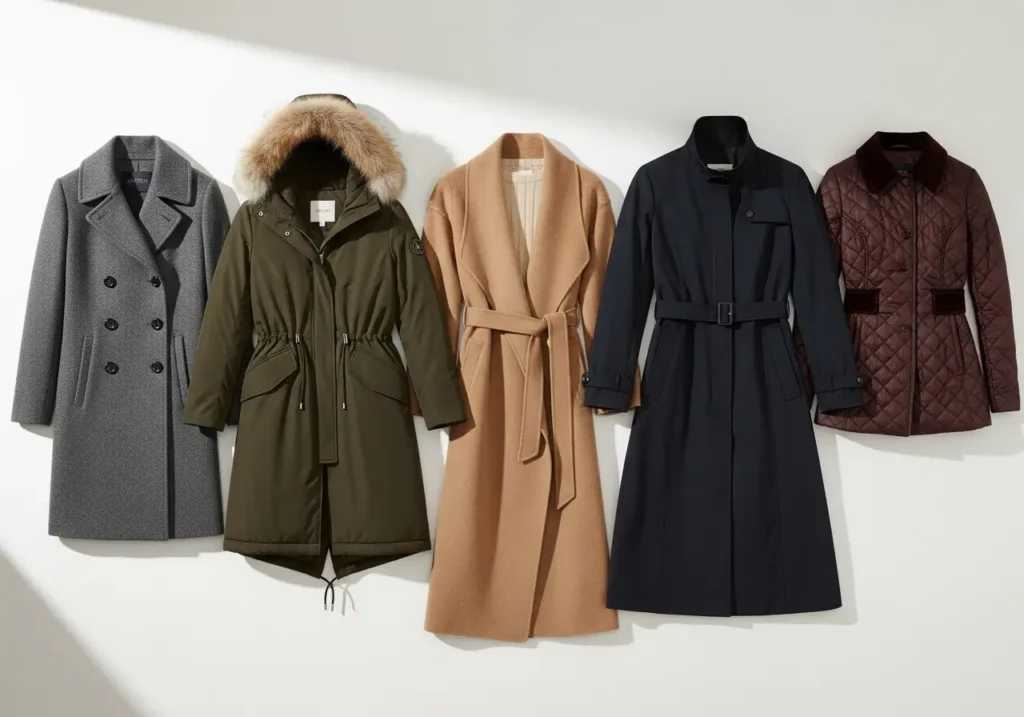
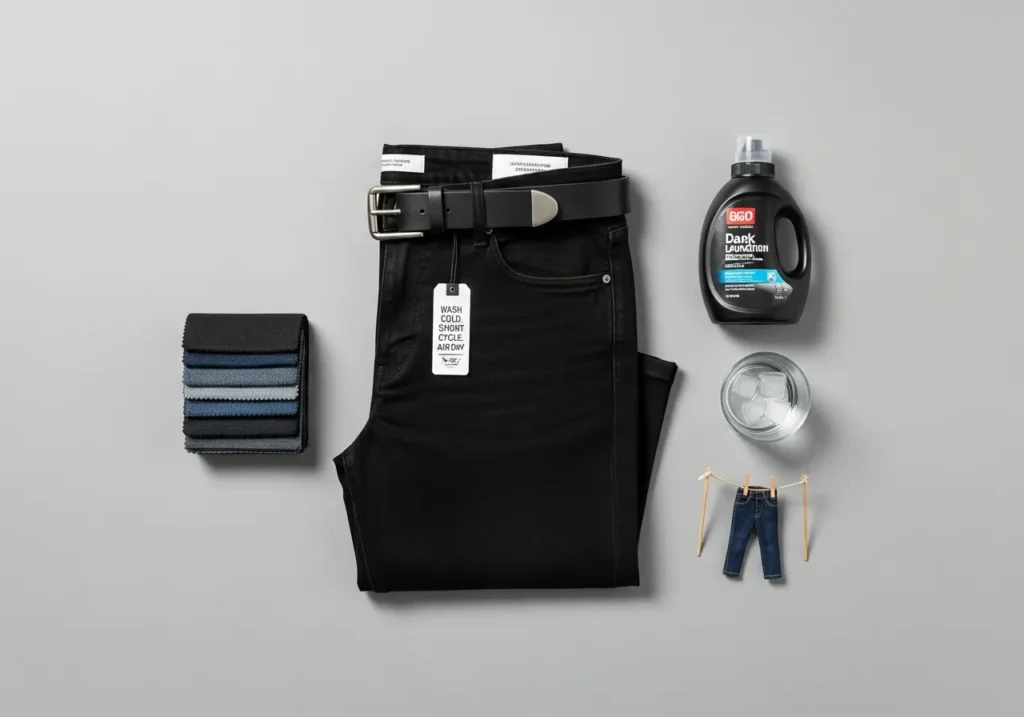
A good Base Layer Guide should save you from two common mistakes: wearing too much and still feeling cold, or wearing the wrong thing and sweating your way into discomfort by mid-morning. I’ve tested base layers in daily commutes, cold offices, windy walks, long travel days, and under heavier outerwear, and the lesson is always the same. Warmth is not just about thickness. It is about moisture control, fit, fabric, and how the whole system works once you start moving.
That is where people usually get it wrong. They buy the heaviest thermal top they can find, throw it under a sweater, then wonder why they feel clammy indoors and chilled the second they step back outside. A base layer is not supposed to behave like a blanket. Its job is more precise than that. It sits next to your skin, manages sweat, smooths temperature swings, and makes the rest of your clothing work better.
What a base layer actually does
A base layer is the first layer worn directly against the skin. Its job is to move moisture away from the body, help regulate temperature, and create a more stable comfort zone under your other clothes.
That sounds simple, but it changes how you should shop. A base layer is not just “something warm.” If it traps sweat, bunches under clothing, or overheats you indoors, it is failing at the most important part of the job.
The three real jobs of a base layer
A strong base layer should do three things well:
Manage moisture so sweat does not sit against your skin.
Add light insulation without unnecessary bulk.
Stay comfortable long enough that you forget you are wearing it.
The third point is more important than people think. If a base layer scratches, rides up, gets sticky, or makes your shirt sit badly, you will stop wearing it. Comfort drives consistency.
Why regular undershirts and base layers are not the same thing
A regular cotton undershirt can help with modesty or absorb a little sweat. A real thermal or performance base layer is built to handle temperature and moisture more intentionally.
That difference shows up fast in winter or during long days. Cotton tends to hold moisture. Better base-layer fabrics move it. That single difference is why one setup leaves you cold after walking outside and the other keeps you steady.
Base Layer Guide basics: the three-layer rule that actually works
Most people do not need a giant pile of winter clothing. They need a better system. The classic approach is simple:
Base layer.
Mid layer.
Outer layer.
The base layer handles moisture and close-to-skin comfort. The mid layer adds insulation. The outer layer blocks wind, rain, or snow. When those roles are clear, dressing gets easier.
Why layering beats one heavy garment
One heavy jacket over ordinary clothes can work for short, low-effort outings. It fails once the environment changes or your activity level shifts.
Layering works better because:
You can add or remove pieces more easily.
Moisture gets managed more effectively.
You avoid the sweaty-freezing cycle.
Comfort stays more consistent from outdoors to indoors.
That last part matters if you commute, travel, work outdoors, or move between heated spaces and cold weather.
The hidden benefit of a good base layer
A strong base layer often lets you wear lighter, better-looking outer clothing. That is the overlooked advantage. Instead of bulking up with thick sweaters and oversized jackets, you create warmth closer to the body. The result feels cleaner, more mobile, and less cumbersome.
How to choose base layer fabric
Fabric is the first big decision, and it matters more than branding. Most base layers fall into a few major categories: merino wool, synthetic blends, silk, and cotton. Only three of those deserve serious consideration for most people.
Merino wool base layers
Merino wool is the fabric many people end up loving once they use it properly. It regulates temperature well, resists odor better than most synthetics, and feels much softer than old-school wool.
Why merino works so well:
Warm even in cooler conditions.
Breathable across changing temperatures.
Less smelly after repeated wear.
Comfortable for travel and long days.
The downsides:
Often more expensive.
Can be less durable than tougher synthetic pieces if treated roughly.
Some lightweight versions can feel delicate.
I like merino most for commuting, travel, office layering, everyday winter wear, and multi-day use when you do not want everything smelling tired by day two.
Synthetic base layers
Synthetic base layers are usually made from polyester, nylon, elastane, or blends. They tend to dry fast, hold shape well, and handle harder wear.
Why synthetics are popular:
Usually cheaper than merino.
Good moisture movement.
Durable and often easier to wash.
Excellent for high-output activity.
The tradeoffs:
Odor tends to build faster.
Some feel less natural on the skin.
Cheap versions can feel plasticky or clammy.
Synthetic base layers work especially well for running, hiking, training, cycling, and heavy-sweat situations where quick drying matters more than odor control.
Silk base layers
Silk is quieter in the conversation, but it has a place. It feels smooth, thin, and easy to wear under formal or fitted clothing.
Why people choose silk:
Very low bulk.
Soft against the skin.
Easy under dress clothes.
The downsides:
Less durable.
Usually less effective for sweat-heavy activity.
Not the best choice for rough outdoor use.
Silk is a niche winner for dress layering, light cold-weather use, and anyone who hates feeling bulky under tailored clothing.
Cotton base layers
Here is the blunt truth: cotton is usually the weakest choice for a real base layer in cold or active conditions.
Why cotton struggles:
Holds moisture.
Dries slowly.
Can feel cold once damp.
Performs poorly during temperature swings.
Cotton is fine as a normal undershirt in mild conditions. It is not my first choice when the goal is actual thermal performance.
Fabric comparison table
How base layer weight affects warmth
This is where people often overbuy. They assume heavier always means better. It does not. Base layer weight should match your temperature, activity, and how warm the rest of your outfit already runs.
Base layers are usually sold in three general weight classes:
Lightweight
Midweight
Heavyweight
Lightweight base layers
Lightweight base layers are the most versatile for many people. They add gentle warmth, manage sweat, and fit easily under everyday clothing.
Best for:
Cool weather rather than deep cold.
Offices and commuting.
Layering under shirts, sweaters, or blazers.
People who run warm.
These are the pieces I recommend most often because they are easier to live with indoors.
Midweight base layers
Midweight is the sweet spot for many winter users. It offers more insulation while still staying practical under casual clothes and outerwear.
Best for:
Real winter weather.
Outdoor work or long commutes.
Hiking and general cold-weather use.
People who get cold easily.
If you live somewhere with true winter, midweight is usually the best first purchase.
Heavyweight base layers
Heavyweight layers are for colder conditions and lower-intensity environments, or for people who run very cold. They can be excellent, but they are also easiest to misuse.
Best for:
Very cold weather.
Low-movement outdoor use.
Long exposure in cold environments.
Layering under workwear or winter outerwear when appearance matters less.
Heavyweight pieces can feel like too much if you are indoors often. That is their main problem. Great outside. Sometimes annoying inside.
My practical rule on weight
If you are unsure, buy lighter than your fear tells you. Most people overestimate how much insulation they need in the base layer and underestimate how much moisture control matters. A lighter, better-breathing base layer often outperforms a heavy one once you start moving.
How a base layer should fit
Fit matters almost as much as fabric. A base layer should sit close to the body, but not so tight that it feels restrictive or highlights every movement like compression gear unless that is the specific design.
What “close-fitting” really means
A proper fit usually means:
The fabric sits near the skin.
Sleeves stay in place under other layers.
The hem does not ride up easily.
There is no big extra fabric bunching at the waist or under the arms.
If it is too loose, moisture transfer gets less efficient and layering becomes sloppier. If it is too tight, comfort drops and some fabrics lose their ease.
Men’s and women’s fit issues to watch
For men:
Watch shoulder tension and underarm pull.
Make sure the hem stays tucked if you wear it under work shirts.
For women:
Pay attention to bust fit, waistband pressure, and whether the torso length works under high-rise or lower-rise clothing.
For everyone:
Sit down in it.
Lift your arms.
Try it under your usual second layer.
Check whether seams show or twist.
That last step matters more than people think. A base layer can feel fine on its own and become annoying the second it goes under another top.
Should a base layer feel tight?
Snug, yes. Restrictive, no.
A good base layer should feel:
Smooth
Secure
Easy to move in
Close enough to do its job
Comfortable for hours
You should not need to constantly adjust it. If you do, the fit is wrong.
Best base layer options by activity
This is where shopping gets smarter. The best base layer for skiing is not always the best one for office wear, travel, or daily winter commuting.
Base layers for commuting and city wear
For commuting, I usually prefer:
Lightweight or midweight merino
Smooth synthetic-merino blends
Thin enough to disappear under normal clothes
Why:
You will move between outdoors and heated spaces.
Odor resistance matters on long days.
Bulk under shirts or sweaters gets annoying fast.
This is where refined, lower-bulk pieces win.
Base layers for hiking and outdoor walking
For hikes, trail walks, and more variable weather, I tend to look for:
Merino or good synthetics
Lightweight or midweight depending on season
Reliable moisture control over pure softness
If the hike includes lots of uphill movement, lighter is often better than people expect. Overheating early is one of the easiest ways to end up cold later.
Base layers for skiing and snow sports
Snow sports usually demand:
Better sweat management
Closer fit
Stronger layering compatibility
Often lightweight or midweight, not automatically heavyweight
This surprises people. Skiers and snowboarders often move enough to create plenty of heat. The shell and insulation layers do much of the thermal work. A massive base layer can become too much fast.
Base layers for office and work clothes
This is where the wrong base layer becomes obvious. If it shows through a shirt, bunches under sleeves, or makes you sweat under indoor heating, it will get abandoned.
Best choices:
Thin merino
Fine silk
Smooth performance blends
Neutral colors that stay discreet under lighter tops
This is also where neckline matters. A crew neck under a button-up is not always ideal if it shows at the collar. Sometimes a V-neck or scoop style works better.
Base layers for sleep and lounging
A base layer can double as sleepwear or lounge wear in cold homes, cabins, or winter travel situations.
Best choices:
Soft merino
Lightweight synthetics if you sleep cooler
Comfortable seams and relaxed waistbands
If sleep is the goal, comfort beats pure technical performance.
Base Layer Guide for cold weather without overheating
This is the section people usually need most. They want warmth, but they do not want that trapped, sweaty feeling once they enter a store, office, train, or car.
Dress for the coldest part of the day, not the whole day
That is only half true. The better rule is this: dress for the coldest active period of the day, not the warmest indoor environment and not the absolute coldest moment if it only lasts two minutes.
Example:
If you walk 20 minutes outside, then sit in a heated office for 8 hours, go lighter.
If you work outdoors for 4 hours, go warmer.
If you stand around in cold wind, insulation matters more than sweat control.
If you move a lot, sweat control matters more than bulk.
This is where people misjudge layering. They shop for temperature only, not context.
The unconventional tip that changes everything
Choose your base layer based on how easy you sweat in the first 15 minutes, not how cold you feel standing still at the door.
That first movement window tells the truth. If you heat up quickly, go lighter and breathe better. If you stay cold even once walking, go a bit warmer. Most layering regret starts because people dress for stillness and forget they are about to move.
Related Post: Which Color Jeans Go With Everything
How to layer base layers under everyday clothes
A technical-looking base layer is useless if it ruins your normal wardrobe. This matters if you want to stay warm without looking like you are wearing sports gear under business casual or daily outfits.
Under dress shirts and office clothes
For a clean result:
Choose a thin base layer.
Keep seams flat.
Pick a neckline that stays hidden.
Avoid bulky cuffs.
Use a body-skimming fit, not compression-tight.
Fine merino or silk often works best here.
Under sweaters and casual outfits
This is the easiest category. A base layer under a knit, flannel, overshirt, or fleece usually works well as long as it does not trap too much heat.
Best pairing:
Lightweight or midweight base layer
Mid layer with some breathability
Jacket added only if needed
This is the zone where people often over-layer. Indoors, it becomes too much.
Under workwear and outdoor gear
For workwear, chore coats, heavy jackets, and practical outdoor clothing, base layers can be slightly more robust.
Look for:
Strong durability
Longer hems
Good movement through shoulders and elbows
Enough warmth without bunching at the wrists or waist
A slightly heavier merino blend or durable synthetic can work well here.
Common base layer mistakes
These mistakes show up constantly, and they are why many people think base layers are overhyped when the real issue is just bad selection.
Mistake 1: Choosing cotton for real cold-weather use
Cotton feels familiar, but it is often the wrong tool once cold and sweat are involved.
Mistake 2: Buying too heavy too early
People jump to heavyweight because it feels safer. Then they overheat, sweat, and stop wearing the piece.
Mistake 3: Ignoring the rest of the outfit
A great base layer cannot fix a terrible outer system. If your outer layer traps too much heat or blocks zero wind, comfort still suffers.
Mistake 4: Bad fit under normal clothing
If the layer bunches, shows through, or feels awkward under sleeves, it will never become a regular habit.
Mistake 5: Treating all cold days the same
A windy 38-degree day with walking is different from a dry 20-degree day with low activity. Your layering should reflect that.
How to wash and care for base layers
Good base layers last longer when washed with some restraint. Overwashing, harsh heat, and rough cycles ruin fit and fabric faster than most people realize.
Caring for merino wool
Merino needs a bit more respect.
Best practices:
Use cool or lukewarm water.
Choose a gentle cycle or hand wash if needed.
Use mild detergent.
Avoid high heat drying.
Lay flat or air dry when possible.
Merino does not need washing after every single wear if it still smells fresh and was used lightly.
Caring for synthetic layers
Synthetics are easier to maintain, but they do better when:
Washed in cool water
Kept away from fabric softener
Dried on low heat or air dried
Rinsed well if odor buildup starts
Fabric softener can reduce performance. That is a common mistake.
Odor management
If synthetic base layers start smelling stubbornly bad, the issue is often trapped residue. A deeper clean occasionally helps, but prevention is better:
Air them out after use
Avoid leaving them damp in a bag
Wash before odor sets permanently
Merino usually wins here, which is one reason frequent travelers like it.
How many base layers you actually need
Most people need fewer than they think.
A practical starter setup:
2 lightweight tops
1 midweight top
1 or 2 bottoms if you live somewhere truly cold or spend time outdoors
If you wear base layers daily in winter, you may want more rotation. But starting small is smarter. Once you know which weight and fabric you actually use, buying gets easier.
Best starter setup by lifestyle
Should you wear base layer bottoms?
People think about tops first, but bottoms can make a major difference in true cold. They matter most when the lower body is exposed to wind, cold surfaces, or long outdoor periods.
Best use cases:
Outdoor work
Winter walking
Skiing
Very cold commuting
Layering under trousers when temperatures are seriously low
They matter less if:
You spend almost all day indoors
Your outer pants are already warm
You overheat easily
The biggest issue with base layer bottoms is bunching under fitted pants. Fit and fabric smoothness matter a lot here.
Base Layer Guide for travel
Base layers are underrated travel gear. A single lightweight merino top can replace bulkier clothing choices and make packing easier.
Why they work well for travel:
Adapt to variable temperatures
Wear well across multiple days
Help light jackets perform better
Reduce the need for oversized sweaters
Pack small
I especially like them for city breaks, flights, train travel, and trips where mornings are cold but afternoons warm up.
My travel base-layer rule
If the trip includes weather uncertainty, always pack one better base layer instead of one extra bulky knit. The better layer gives you more options and less bag space.
What I would buy first
If someone asked me for the safest smart first purchase, I would keep it simple:
One lightweight merino or merino-blend long-sleeve top
One midweight option only if winters are real where they live
Neutral color
Smooth fit
No unnecessary bulk or aggressive compression
That one piece usually teaches you more than reading fifty product descriptions.
A good Base Layer Guide should leave you with one clear idea: the best base layer is not the warmest one on the shelf. It is the one that works with your temperature, movement, clothing, and routine without making the rest of the day harder. Start with lightweight or midweight, skip cotton for serious cold, choose merino for comfort and odor control or synthetic for harder output, and fit it close enough to work without turning it into compression gear. If a base layer disappears under your clothes and quietly keeps you steady from cold street to warm room, that is the one worth wearing.