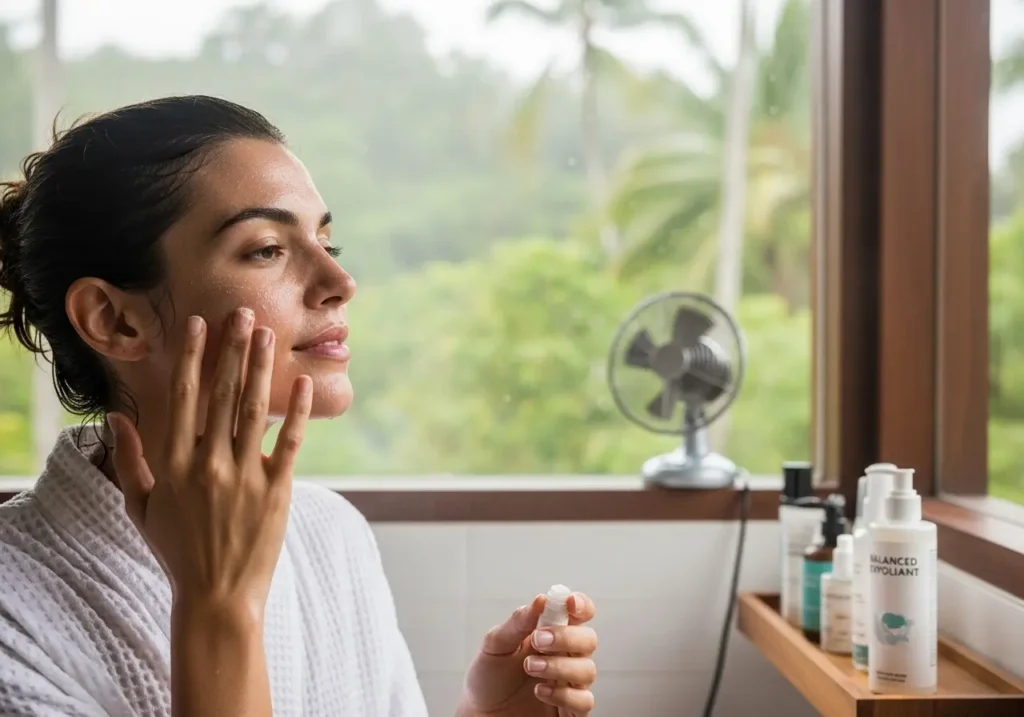
Anti Inflammatory Skin Care matters most when your face feels like it is reacting to everything. Not just obvious breakouts or dryness. I mean the low-grade irritation that shows up as redness around the nose, sting after cleansing, flaky patches that somehow feel oily at the same time, or skin that looks shiny and tired but still feels tight. That kind of skin does not usually need more “active” products. It needs less chaos, more barrier support, and a routine that stops treating irritation like a side effect you should simply tolerate.
I have seen the same mistake over and over: people try to scrub, acid, retinol, peel, and exfoliate their way out of inflammation. For a few days, the skin may look smoother. Then the cycle begins again. More redness. More sensitivity. More products bought in panic. The smarter path is to treat inflamed skin like a stressed system, not a dirty one. When you do that, the skin often becomes clearer, softer, and more even-looking without being forced.
What Anti Inflammatory Skin Care actually means
Anti-inflammatory skincare is not a trendy label for bland moisturizer. It is a method. The goal is to reduce visible redness, irritation, heat, stinging, and chronic reactivity while helping the skin barrier function properly again. That usually means using formulas that calm, protect, and repair instead of constantly pushing the skin into a “renewal” state it cannot handle.
That distinction matters because inflammation does not always look dramatic. Sometimes it looks like:
Persistent pinkness or flushing.
Breakouts that linger longer than usual.
Skin that stings when basic products touch it.
Dry patches that return no matter how much cream you apply.
Texture that feels rough and uneven.
A face that looks reactive by afternoon even if it looked fine in the morning.
Inflamed skin is often misread as skin that needs stronger treatment. In reality, it usually needs better regulation. Once you calm that constant stress response, a lot of other concerns become easier to manage.
The hidden signs your skin is inflamed
Some signs are obvious. Others are sneaky.
Watch for these patterns:
Your cleanser feels “too strong” even though it used to be fine.
Sunscreen suddenly stings.
Makeup sits badly on the skin and emphasizes flakes.
The same breakout spots keep returning with redness around them.
Your skin feels hotter than usual after washing.
Products that promise glow make you look irritated instead.
That last one is common. Inflamed skin can look shiny, but not healthy. It is the kind of shine that comes from disruption, not hydration.
Why skin inflammation happens so often now
Modern skincare routines are often overloaded. That is the simple truth. Many people are using more exfoliants, more actives, more fragrance-heavy products, more hot water, and more aggressive cleansing than their skin can comfortably manage.
Common triggers include:
Over-exfoliation with acids or scrubs.
Retinoids used too often or layered badly.
Fragrance-heavy skincare.
Harsh foaming cleansers.
Essential oils in “natural” products.
Too many new products introduced at once.
Weather shifts, especially cold wind or dry indoor heat.
Sun exposure without consistent SPF.
Stress, poor sleep, and friction from towels or masks.
One of the biggest misconceptions is that inflammation only belongs to sensitive skin. Not true. Oily skin gets inflamed. Acne-prone skin gets inflamed. Mature skin gets inflamed. Combination skin gets inflamed. A damaged barrier can happen to almost anyone if the routine gets too aggressive.
The inflammation-acne confusion
This is where many routines go off the rails. People see bumps, clogged pores, and redness, then reach for stronger acne products. Sometimes that helps. Often it makes everything worse because the skin is already inflamed underneath the breakout.
If your acne care causes:
burning,
tightness,
angry red patches,
or peeling that never settles,
you may be treating inflammation and acne as if they are separate problems. They are often connected. Calmer skin usually handles acne treatment better.
The ingredients that actually help calm inflamed skin
This is where anti-inflammatory skincare stops being vague and starts becoming practical. The best ingredients are not always the most exciting ones. They are the ones that lower irritation while improving comfort and resilience over time.
Niacinamide
Niacinamide is one of the most useful ingredients for inflamed skin because it can help support barrier function, reduce the look of redness, and improve overall skin resilience.
Why it works well:
Usually layers easily.
Can help with oil imbalance and post-breakout marks.
Often suits skin that is reactive but still wants visible improvement.
The catch is concentration. Some people do beautifully with niacinamide. Others get irritated by very high-percentage formulas. If your skin is reactive, a moderate-strength formula usually behaves better than an ultra-strong one.
Ceramides
Ceramides are not glamorous, but they are essential when the barrier is compromised. They help support the skin’s protective layer and reduce that fragile, overly reactive feeling.
Best for:
Dry, inflamed skin.
Skin recovering from over-exfoliation.
Anyone dealing with tightness, flaking, or product sting.
A ceramide-rich moisturizer often does more for inflamed skin than a fancy serum that promises everything at once.
Panthenol
Panthenol is one of those ingredients that quietly earns trust. It helps support hydration and can make irritated skin feel more comfortable fast.
I especially like it in:
recovery creams,
calming serums,
and moisturizers meant for sensitive or post-treatment skin.
Colloidal oatmeal
This is a standout for skin that feels itchy, reactive, or visibly irritated. It is especially useful when inflammation comes with discomfort, not just redness.
Good for:
Dry irritated skin.
Seasonal barrier flare-ups.
Over-treated skin that feels raw.
Centella asiatica
Centella has become popular for a reason. In the right formula, it can be genuinely helpful for calming stressed skin and supporting recovery.
It tends to work well for:
redness-prone skin,
sensitized skin,
and people who want a serum that feels soothing without being heavy.
Green tea, allantoin, beta-glucan, and licorice root
These ingredients often show up in better calming formulas because they help reduce visible stress in the skin without making the routine complicated.
I see them working best when they appear in:
lightweight calming serums,
gentle moisturizers,
and toner-essences that are actually soothing, not secretly acidic.
Ingredients to be careful with when skin is inflamed
Not “bad” ingredients universally. Just ingredients that may need a pause or slower use when the barrier is clearly upset.
Use caution with:
strong exfoliating acids.
physical scrubs.
high-strength retinoids.
benzoyl peroxide layered with multiple actives.
strong vitamin C formulas that sting.
heavily fragranced products.
essential oils in leave-on skincare.
harsh clay masks.
This is where people often get stubborn. They think pausing strong actives means “losing progress.” In reality, a short recovery phase usually improves long-term results.
How to build an anti inflammatory skincare routine that actually works
A calming routine should feel boring in the best possible way. Predictable. Gentle. Supportive. Easy to repeat. If your anti-inflammatory routine feels like a chemistry experiment, it is probably not anti-inflammatory enough.
Morning routine for calmer skin
A strong morning routine for inflamed skin usually looks like this:
Gentle cleanse, or just rinse with lukewarm water if your skin is very dry.
Calming serum or hydrating barrier-support product.
Moisturizer suited to your skin type.
Sunscreen every day.
That is enough. Morning is not the time to layer five treatments onto stressed skin.
Best morning products by skin type
Sunscreen is part of anti-inflammatory care
This gets treated like a separate category, but it is not. UV exposure worsens visible redness, slows recovery, and makes inflamed skin harder to calm. If your sunscreen burns or pills, that does not mean sunscreen is the problem. It means you need a better formula or a calmer base routine underneath it.
For reactive skin, I usually look for sunscreens that are:
fragrance-free,
alcohol-light or alcohol-free if needed,
comfortable enough for daily use,
and easy to reapply without dread.
Night routine for skin barrier repair
Night is where recovery happens, so this routine should be even more thoughtful.
Basic structure:
Gentle cleanse.
One calming or treatment product, not five.
Moisturizer.
Optional occlusive step only if the skin is very dry and can handle it.
If your skin is truly inflamed, this is not the time for a “skin cycling” schedule packed with acids, retinoids, and masks all in one week.
The simplest recovery routine
If your skin is actively upset, try this for one to two weeks:
gentle cleanser,
soothing serum,
barrier cream,
sunscreen in the morning.
That is it.
This often works better than people expect because it removes the triggers that keep inflammation alive. Once the skin feels normal again, then you can decide which actives deserve to come back.
When to reintroduce actives
Bring stronger products back slowly, one at a time.
A smart order is:
Repair and calm first.
Reintroduce one active every few nights.
Watch for stinging, heat, or fresh redness.
Increase only if the skin stays comfortable.
The unconventional tip I stand by is this: judge tolerance by how your skin feels the next afternoon, not just the first ten minutes after application. A product can seem fine at night and still leave the skin more flushed, tight, or shiny by the next day. That delayed response tells the real story.
Related Post: Skin Better Science: A Clear Guide to Real-World Results, Routines, and Safety
Best anti inflammatory skincare routines by concern
Inflammation does not always show up the same way, so the routine should match the pattern.
For redness and flushing
Focus on:
gentle cleansing,
centella, niacinamide, or beta-glucan,
barrier cream,
mineral or very gentle sunscreen.
Keep low:
fragrance,
hot water,
spicy exfoliation,
and anything that causes immediate warmth.
For acne-prone but irritated skin
This is the hardest category because you still want clearer pores and fewer breakouts, but your skin is angry.
Best strategy:
reduce cleansing aggression,
use one acne treatment instead of several,
keep moisturizer in the routine,
and support the barrier so the skin can tolerate treatment.
In practical terms, that means a calm, hydrated face often breaks out less dramatically than one that is being stripped twice a day.
For dry, flaky, inflamed skin
Focus on:
creamy or low-foam cleanser,
hydrating serum,
ceramide-rich moisturizer,
occasional occlusive layer at night if needed,
and zero unnecessary exfoliation until the skin feels normal.
For post-overexfoliated skin
This is one of the most common modern problems.
Signs include:
stinging when applying basic products,
sudden redness,
unusual shininess,
tightness,
rough little bumps,
and feeling like nothing works anymore.
Best response:
stop acids and scrubs,
pause strong retinoids,
use short ingredient lists,
keep the routine gentle for at least several days, usually longer.
This is where patience matters. Over-exfoliated skin rarely likes being “fixed” quickly.
For mature, reactive skin
Mature skin often needs both calming care and some level of treatment support.
A smart routine includes:
barrier support,
steady hydration,
gentle antioxidant support,
sunscreen,
and treatment products used at a frequency the skin can actually handle.
This is another place where moderation wins. Daily harsh retinoids are not automatically better than a gentler product used consistently.
Anti inflammatory skin care products: what to look for on labels
Marketing language can be useless here. “Clean,” “pure,” and “natural” do not tell you whether a product is calming. Sometimes they tell you the opposite.
What usually helps
Look for products described as:
barrier-supportive,
soothing,
fragrance-free,
gentle,
replenishing,
or made for sensitive skin.
Ingredient families that often behave well include:
ceramides,
glycerin,
panthenol,
colloidal oatmeal,
niacinamide,
allantoin,
squalane,
beta-glucan,
and centella.
What to question
Be careful with products that sell themselves mostly through:
tingling,
peeling,
“instant resurfacing,”
harsh cleansing power,
or heavy fragrance.
A product does not need to feel active to be effective. Inflamed skin often improves fastest when nothing dramatic is happening.
Common mistakes that keep inflammation going
These are the patterns I see most often when people say their skin is “sensitive all of a sudden.”
Mistake 1: Over-cleansing
Washing twice with harsh cleansers, scrubbing with tools, or cleansing for too long can keep the skin in a reactive loop.
Mistake 2: Too many actives in one routine
Acid toner, vitamin C, retinoid, acne spot treatment, exfoliating mask, and peel pads do not belong in the same week for many people, let alone the same day.
Mistake 3: Treating moisturizer like an optional extra
If your skin is inflamed, moisturizer is not fluff. It is part of the repair plan.
Mistake 4: Believing “natural” automatically means gentle
Some of the most irritating products I have seen rely heavily on essential oils, fragrance, or plant extracts that sound beautiful and behave terribly on reactive skin.
Mistake 5: Using hot water
Hot water feels relaxing. Inflamed skin usually hates it.
Mistake 6: Ignoring friction
Rubbing with towels, picking at flakes, overusing cleansing brushes, and aggressive exfoliating pads all add up.
Mistake 7: Chasing glow while the skin is still irritated
This one is huge. People want brightness, smoothness, and fast results. But inflamed skin almost always wants calm before it wants glow.
The best anti inflammatory skincare mindset
This is the information gain most people actually need: inflamed skin does not respond well to panic. It responds to consistency.
A calmer routine wins because:
you can stick to it,
the skin barrier gets time to recover,
redness has a chance to settle,
and treatment products become more effective later.
The goal is not to build the most impressive routine. The goal is to lower the skin’s stress load.
My practical rule for product decisions
Before adding anything new, ask:
Will this reduce irritation, or just promise transformation?
Is my skin calm enough to benefit from this?
Am I solving a real problem, or reacting emotionally to a bad skin week?
That pause alone prevents a lot of routine damage.
What I would do for three real-life inflammation scenarios
Scenario 1: Your skin suddenly stings after washing
I would strip the routine down immediately:
gentle cleanser,
soothing serum,
barrier cream,
sunscreen.
No acids. No scrubs. No strong retinoids for now.
Scenario 2: You have acne, but every treatment makes you flaky
I would reduce the number of acne steps, keep one targeted treatment, and improve hydration and barrier support. Many acne routines fail because they are too harsh to sustain.
Scenario 3: Your face is red, shiny, and uneven after trying too many trending products
I would stop trying to “fix” the reaction with more active products. The answer is usually fewer products, not better marketing.
The definitive verdict on anti inflammatory skin care
The best Anti Inflammatory Skin Care routine is not the one with the longest ingredient list or the strongest before-and-after claims. It is the one that makes your skin feel quieter, less reactive, and more stable week after week. That usually means gentle cleansing, barrier support, smart calming ingredients, daily sunscreen, and far fewer aggressive treatments than the internet tends to recommend.
If you want the safest smart path, do this first: cut the routine down, keep one calming serum, use a real moisturizer, wear sunscreen daily, and stop treating irritation as proof a product is working. Once your skin feels normal again, bring stronger actives back slowly and only if they still serve a clear purpose. Calm skin is not boring skin. It is the foundation that makes every other skincare goal more realistic.