A lot of Patio Furniture Covers fail for one simple reason: they protect against weather on paper, but not in real life. They puddle water, tear at the seams, trap humidity, flap in the wind, or fit so badly that they rub the finish off the furniture they were meant to save. That is why buying an outdoor cover is not just about finding something “waterproof” and moving on. The real job is more specific. You need a cover that blocks sun, sheds rain, resists dirt, stays in place, and still lets enough air move around that you do not create a damp little mold chamber on your patio.
I’ve looked at enough outdoor setups to notice the same pattern over and over: people spend serious money on a sectional, dining set, or teak chairs, then protect them with the cheapest possible cover. Six months later, the furniture looks tired, the cover looks worse, and everybody blames the weather. Weather is only part of it. Bad fit, poor ventilation, thin fabric, weak straps, and wishful thinking do the rest. The best patio furniture covers are not the thickest, cheapest, or most heavily marketed ones. They are the ones that match the furniture, the climate, and the way the patio is actually used.
Why Patio Furniture Covers matter more than most buyers expect
Outdoor furniture gets marketed as if it can simply live outside forever with no real consequences. That is technically true for some pieces in some climates, but it is not the whole story. Sun fades finishes. Pollen settles into woven textures. Rain leaves water marks and grime. Dust works its way into corners. Tree sap shows up uninvited. Bird mess is relentless. Even sturdy materials like aluminum, teak, resin wicker, and poly lumber look better longer when they are not exposed to everything all the time.
A good cover is less about panic and more about slowing wear. It helps cushions stay cleaner, keeps debris out of joints and crevices, reduces the constant cycle of washing and wiping, and makes seasonal cleanup less miserable. The right cover also helps expensive furniture keep its finish and shape longer. That matters if you actually want your outdoor setup to look inviting in year three instead of merely surviving.
There is also a practical side that gets ignored. People use patios more when the furniture is easier to keep clean. If uncovering the chairs reveals spider webs, dust, leaf sludge, and soaked cushions every time, the patio starts feeling like work. If the furniture underneath stays reasonably clean and ready, the space gets used more often. That is a protection benefit nobody talks about enough.
Are Patio Furniture Covers really worth buying?
In most homes, yes. But not every cover deserves your money.
The cost-benefit equation is pretty simple. If you have a low-cost plastic side table and two folding chairs, you may not need fitted covers at all. If you have a full sectional, cushioned dining set, outdoor daybed, or well-made teak furniture, protection makes more sense. Covers are especially worthwhile when the furniture sits in direct sun, under trees, near a pool, in a dusty area, or in a climate with seasonal extremes.
Where people go wrong is treating all patios the same. Some outdoor pieces do just fine uncovered during mild seasons and only need protection in winter, storms, or extended off-use periods. Others, especially furniture with cushions, woven details, wood finishes, or metal hardware, benefit from much more consistent covering. The goal is not to wrap everything in plastic every day forever. The goal is to reduce avoidable wear without creating new problems.
When patio furniture covers make the most sense
Covers are a smart buy when:
Your furniture lives in full sun for long stretches.
You have outdoor cushions that absorb dirt or moisture fast.
You deal with leaves, pollen, sap, bird droppings, or dust.
Your patio sits unused for days or weeks at a time.
You want easier spring cleanup.
You invested in furniture you do not want aging too quickly.
You live in a region with snow, heavy rain, or salty coastal air.
When you may not need a cover for every piece
You can often skip dedicated covers for:
Cheap, easily replaceable utility furniture.
Small accent pieces that store easily indoors.
Very weather-tough pieces in mild, low-debris climates.
Furniture kept under a deeply covered patio with low exposure.
That does not mean “never protect it.” It means be strategic. One of the most useful approaches is selective coverage. Cover the expensive seating, the dining set, and the cushions. Leave the small side tables alone. That usually gives you most of the benefit without turning your whole patio into a collection of giant fabric blobs.
What Patio Furniture Covers actually protect against
People say “weatherproof” like it covers everything. It does not. Outdoor furniture faces several different threats, and not every cover handles all of them equally well.
Sun and UV damage
Sun is one of the most damaging forces outdoors because it works slowly and constantly. It fades cushion fabric, dries wood, weakens lower-grade plastics, and causes some cheaper covers to crack or become brittle. A proper UV-resistant cover helps reduce that daily punishment. This matters most in bright, hot climates, but even moderate sun exposure adds up over time.
Rain and moisture
Rain seems straightforward until you realize the real issue is not just water landing on the furniture. It is water pooling, sneaking through seams, sitting in folds, soaking cushion foam, and lingering long enough to create mildew or ugly staining. Good covers shed rain. Better covers shed rain and still let humidity escape.
Dirt, pollen, sap, and general patio mess
This is the category that makes people appreciate covers fastest. Dust and pollen collect everywhere. Tree debris works itself into woven chairs. Sap and bird mess create sticky cleaning jobs nobody wants. A cover keeps most of that off your furniture, which means less frequent deep cleaning and fewer annoying surprises when guests come over.
Snow and freezing weather
Snow itself is only part of the challenge. Freeze-thaw cycles are rough on finishes, joints, woven materials, and pooled moisture. A good winter cover is less about making furniture “warm” and more about keeping moisture, ice, and grime from settling into every surface.
Wind
Wind exposes weak covers fast. If the straps are flimsy, the hem is loose, or the shape is too boxy for the furniture underneath, the cover starts flapping, shifting, and rubbing. That friction can wear the cover and the furniture at the same time. In windy areas, secure fit matters almost as much as fabric quality.
Best materials for Patio Furniture Covers
Material choice is where protection either starts strong or falls apart early. A cover can have the right size and decent straps, but if the fabric is too thin, too stiff, too plasticky, or too unbreathable for your climate, it will disappoint you.
Polyester covers
Polyester is the workhorse material for outdoor furniture covers. Most good covers today use polyester in some form, usually with a backing or coating that boosts water resistance or waterproofing.
Why it works:
Lightweight compared with heavy vinyl.
Usually easier to handle and fold.
Can be made in different thicknesses and performance grades.
Often offers a good balance of durability and flexibility.
What to watch:
Very cheap polyester can fade fast.
Lower-quality stitching may fail before the fabric does.
Thin versions can tear at stress points.
If I had to pick one material category for most households, I would start with a solid mid- to heavy-weight polyester outdoor cover with ventilation and reinforced seams. It usually gives the best mix of usability and real-world performance.
Vinyl covers
Vinyl used to dominate this category because “waterproof” sounded like the only thing buyers needed. It still has strengths, especially for strong water resistance, but pure vinyl covers often create new issues.
Why some people buy vinyl:
Strong water-shedding performance.
Easy to wipe clean.
Often affordable.
Why I am cautious:
It can get stiff in cold weather.
Some vinyl covers crack over time.
Poor breathability can trap condensation underneath.
Cheap vinyl can feel like a temporary solution even when sold as a long-term one.
Vinyl makes the most sense when it is part of a layered or hybrid construction, not when it turns the whole cover into a shiny, airless shell.
Canvas-style covers
Canvas-look covers appeal to buyers who want something sturdier and more refined-looking than slick synthetic covers. Some are true heavy woven materials with treatment. Others just mimic the look.
Strengths:
Often more substantial in hand.
Less flimsy in wind than thin materials.
Can look better on higher-end patios.
Drawbacks:
Weight can make them awkward to handle.
If they are not well treated, they may hold moisture longer.
Cheap “canvas” marketing language can be misleading.
These are best when backed by good performance details like sealed seams and vents, not just aesthetic appeal.
Solution-dyed synthetic fabrics
This is where better outdoor covers start separating themselves from disposable ones. Solution-dyed materials tend to handle fading better because the color runs more deeply through the fiber rather than sitting mostly on the surface.
Pros:
Better color retention.
Usually stronger UV performance.
Often used in higher-quality outdoor products.
Cons:
Higher price.
Not always necessary for every climate or budget.
If your patio gets punishing sun most of the year, this upgrade is often worth it.
Layered or multi-layer covers
Many premium covers use multiple layers for strength, water resistance, and softer contact with furniture surfaces. Done well, this helps. Done poorly, it just adds bulk and marketing fluff.
The ideal layered cover:
Has a durable outer shell.
Includes a backing that does not scratch delicate finishes.
Maintains flexibility.
Does not become too heavy when wet.
Material comparison
Waterproof vs water-resistant Patio Furniture Covers
This is one of the most misunderstood parts of the category. People see “waterproof” and assume it is always better. It is not always that simple.
Water-resistant covers
Water-resistant covers repel light to moderate moisture but may not hold up perfectly in prolonged heavy rain or pooled water. That sounds weaker, but they often breathe better and create fewer condensation issues.
Best for:
Covered patios.
Mild climates.
Furniture used often and uncovered frequently.
Buyers who value airflow and ease of use.
Waterproof covers
True waterproof covers are built to block water much more aggressively. That is useful in heavy rain, snow, or long off-season storage, but there is a tradeoff: airflow becomes more important, not less.
Best for:
Exposed patios.
Wet climates.
Seasonal storage.
Furniture that stays unused for extended periods.
The key detail most buyers miss is this: waterproof without ventilation can become a problem. If warm air, trapped humidity, or residual moisture from the furniture itself cannot escape, you may find condensation underneath even when no rain penetrated from above. That is why I prefer a breathable waterproof or highly water-resistant cover with vents over a sealed, suffocating shell.
How to choose the right Patio Furniture Covers for each furniture type
A dining chair needs something very different from a sectional. This sounds obvious, but many cover sets are too generic, which leads to poor fit and weak protection.
Covers for outdoor dining sets
Dining tables create awkward cover shapes because of the tabletop, chair arms, and gaps underneath. Covers that are too loose balloon in the wind. Covers that are too tight strain at corners.
Look for:
A shape designed for your table style, round or rectangular.
Enough drop to shield chair seats.
Tie-downs or buckle straps at the legs.
A center support option if the table tends to collect water in the middle.
A useful tip: if your dining set sits unused for long stretches, separate chair covers can protect better than one giant set cover, especially in windy or humid climates. One large cover is convenient. Several better-fitting covers usually perform better.
Covers for sectional sofas
Sectionals are where cover frustration really begins. L-shaped seating, varying arm heights, corner modules, and coffee table combinations make universal covers a gamble.
Best options:
Modular sectional covers that match each piece.
Custom or semi-custom covers for expensive setups.
L-shaped covers only when dimensions are unusually close to the actual furniture.
One unconventional tip that makes a huge difference: slightly elevate low points under the cover with an internal support, such as a purpose-made cover support pole or even a safe, stable object that creates runoff. Sectionals love to collect puddles. Break the flat surface, and water drains much better.
Covers for patio chairs
Chair covers seem simple, but they work best when they are specific. A deep club chair and a slim dining chair should not be covered with the same generic shape.
For chairs, prioritize:
Snug fit at the back and arms.
Hem drawcord or buckle.
Enough room to slip on without wrestling.
Vent placement that does not let rain blow directly inside.
If you stack chairs, buy stack-chair covers instead of several separate ones. They are easier to manage and usually protect the set more cleanly.
Covers for loungers and chaise chairs
Long, low furniture is especially prone to water pooling and edge wear. A chaise lounge cover should contour well enough to avoid huge loose flaps.
What helps:
Tapered or shaped fit.
Strong fastening at both ends.
Reinforced stress areas near the leg frame.
Fabric that stays flexible in sun and heat.
Covers for benches, gliders, and swings
Motion furniture adds another challenge because hardware, chains, glider tracks, and curved frames create more contact points.
Buy a cover that:
Leaves enough room for movement parts without straining.
Protects hardware from rain when possible.
Secures tightly enough that wind does not turn the cover into a sail.
Covers for umbrellas, fire tables, and side tables
These secondary pieces are often overlooked, but protecting them keeps the whole patio looking cleaner. Umbrella covers are especially helpful because they keep fabric cleaner and reduce fading while the umbrella is closed.
For fire tables, make sure the cover allows the unit to cool fully before use. For side tables, a basic fitted cover is often enough. These pieces do not need the same complexity as seating, but they still benefit from decent material and secure hems.
How to measure Patio Furniture Covers correctly
Bad measurements create almost every cover complaint: too tight, too loose, too short, too baggy, impossible to secure, ugly on the patio, or all of the above.
The basic measuring rule
Measure the furniture, not the old cover and not the product photo. Use a tape measure and note the widest, deepest, and tallest points.
For most pieces:
Width is side to side across the widest point.
Depth is front to back.
Height is from the ground to the tallest point, usually the back or arm.
Add the right amount of allowance
You want some ease, but not sloppiness. A cover that matches exact dimensions too tightly is frustrating to install and stresses the seams. A cover that is much too large moves around, rubs, and traps more moisture.
A practical rule:
Add a little room for installation.
Avoid huge extra drop unless you need full shielding.
Pay attention to arm height and back height differences.
Common measuring mistakes
Measuring cushions that will be stored separately.
Ignoring chair arms.
Forgetting that stacked furniture changes dimensions.
Using the table size without accounting for chairs underneath.
Forgetting protruding feet or frame extensions.
If you are choosing between two sizes, the better answer depends on the design. For a shaped cover with straps, slightly larger often works. For a loose generic box cover in a windy climate, oversized can become a headache fast.
Related Post: Stylish Outdoor Dining Set Ideas for Your Backyard
Patio Furniture Cover features that actually matter
Marketing copy loves throwing features at buyers, but a handful of details make most of the difference.
Vents
Vents are not decorative. They are one of the most important features on a good outdoor cover. They help reduce trapped moisture, condensation, and the ballooning effect in wind.
Good vents:
Are protected so rain does not pour in directly.
Sit high enough to allow airflow.
Are built into the design rather than feeling like an afterthought.
Seams and seam sealing
Fabric quality gets the spotlight, but seams are where covers often fail first. Look for reinforced stitching and, ideally, sealed or taped seams in covers that claim strong water protection.
Weak seams lead to:
Water leakage.
Splitting under tension.
Early wear at corners and stress points.
Buckles, straps, and drawcord hems
A cover that cannot stay on is not protecting much. This matters even in moderately breezy locations.
The best fastening systems include:
Click-close buckles around legs.
Adjustable drawcord hems.
Elasticized sections where appropriate.
Strong attachment points that do not rip easily.
Handles
This sounds minor until you have to remove and reinstall a giant sectional cover every few days. Padded or reinforced handles make a real difference in usability. If a cover is too annoying to use, people stop using it.
Padded contact points
Some better covers add reinforced or softer zones where the fabric meets sharp furniture corners. That helps reduce wear and can protect more delicate finishes.
Light color vs dark color covers
Color changes how a cover behaves.
Lighter covers:
Show dirt more.
Absorb less heat.
Often feel less visually heavy on the patio.
Darker covers:
Hide grime better.
Can absorb more heat.
Sometimes look neater longer.
I usually like medium neutrals best for this category. They hide enough mess without making the patio look overly dark or industrial.
Best Patio Furniture Covers by climate
The smartest cover in one region may be a bad fit in another. Climate should guide both material and design.
Hot and sunny climates
Sun is brutal on both furniture and covers. Choose UV-resistant materials and avoid cheap covers that go brittle.
Best choices:
Solution-dyed polyester or other fade-resistant synthetics.
Medium-weight breathable covers.
Lighter to medium colors.
Vented construction.
Avoid:
Thin bargain covers.
Overly stiff vinyl in full sun.
Covers that trap heat without airflow.
Humid or rainy climates
Moisture control is everything here. This is where ventilation, runoff design, and quick drying matter most.
Best choices:
Waterproof or highly water-resistant breathable covers.
Strong vents.
Secure hems and straps.
Support systems that prevent pooling.
Avoid:
Fully sealed covers with no airflow.
Heavy puddle-prone shapes.
Leaving wet cushions under the cover if they were already damp.
Snow and freeze-thaw climates
Winter protection is more about long-term shielding than daily convenience. Strength and fit matter more than softness.
Best choices:
Heavier covers with reinforced seams.
Strong tie-downs.
Shapes that shed snow rather than collect it.
Section-specific covers rather than loose all-in-one sacks.
Avoid:
Covers that sag in the middle.
Lightweight fabric that tears under snow load.
Neglecting to clear heavy accumulation.
Windy areas
Wind exposes design flaws immediately.
Best choices:
Tailored shapes.
Multiple buckles.
Drawcord hems.
Slightly heavier cover fabric.
Separate covers instead of huge oversized ones.
Avoid:
Giant loose universal covers.
Minimal fastening points.
Lightweight materials that whip around constantly.
Coastal climates
Salt, humidity, and sun create a rough combination. Covers help, but they must breathe and resist long-term exposure.
Best choices:
UV-resistant synthetic fabric.
Strong ventilation.
Easy-clean surfaces.
Frequent rinse-and-dry maintenance.
Avoid:
Cheap coated covers that break down quickly.
Neglecting salt residue buildup.
How to use Patio Furniture Covers without causing mold, mildew, or finish damage
This is where a lot of “cover problems” are really usage problems.
Never cover soaking-wet furniture for long periods
If the furniture is drenched and the weather clears, uncover it and let it breathe before sealing it up again for days. Covers are protective, not magical. They cannot erase moisture already trapped in cushions, wicker weave, or wood joints.
Give the cover shape
Flat surfaces hold water. Covers work better when water can run off instead of pooling. Use a cover support pole, center riser, or stable object under the cover to create a peak, especially on dining tables and sectionals.
This is the unconventional tip I recommend most because it solves several problems at once:
Less standing water.
Less fabric strain.
Better airflow.
Lower mildew risk.
Do periodic check-ins
Even the best cover setup benefits from quick checks. Every so often:
Lift a corner.
Feel for trapped dampness.
Brush off debris.
Make sure straps are still secure.
Clear pooling water promptly.
This takes a few minutes and prevents the “surprise ecosystem under the cover” problem.
Be careful with wood and natural materials
Teak, acacia, eucalyptus, and similar woods do not always want airtight cover treatment. They need some airflow. A breathable cover is usually better than a sealed one, especially if the furniture stays outside full time.
Do not let covers rub endlessly against rough corners
Friction wears fabric out. If a chair arm or table corner is creating constant tension, add a little protection or adjust the fit. A cover that is almost right can still fail early if it is always straining in the same place.
How to clean and maintain Patio Furniture Covers
A neglected cover becomes its own maintenance problem. Keep it clean, and it protects better.
Basic cleaning routine
For most covers:
Brush off dry debris first.
Rinse with water.
Use mild soap if needed.
Scrub gently with a soft brush or cloth.
Rinse thoroughly.
Let it dry fully before reinstalling or storing.
What to avoid
Harsh bleach unless specifically approved.
Pressure washing delicate seams.
Folding a damp cover for storage.
Dragging covers across rough patios.
How often should you clean them?
That depends on location, but a practical rhythm is:
Light brushing or rinse as needed.
A deeper clean a few times per season.
Full cleaning before long-term seasonal storage.
Reproofing and maintenance treatments
Some covers benefit from occasional reproofing sprays or protectants, but only use products intended for the fabric type. Not every cover needs this. High-quality materials often perform well for quite a while without extra treatment.
Common Patio Furniture Cover mistakes that waste money
People usually regret covers for very predictable reasons.
Mistake 1: Buying universal covers that are far too large
Universal can work. Massively oversized usually does not. Too much extra fabric means more flapping, more pooling, more rubbing, and a sloppier patio overall.
Mistake 2: Prioritizing thickness over design
A thick cover with no vents and weak straps can perform worse than a slightly lighter one with better engineering.
Mistake 3: Assuming waterproof means worry-free
Waterproof can still trap condensation, especially over damp furniture or in humid climates.
Mistake 4: Ignoring the furniture shape
An L-shaped sectional, stacked chairs, and a round dining set all need different solutions. Forcing the wrong shape never ends well.
Mistake 5: Covering everything all the time without checking underneath
Protection should reduce maintenance, not replace awareness. Quick check-ins prevent most under-cover problems.
Mistake 6: Spending thousands on furniture and almost nothing on protection
I see this one constantly. Premium furniture plus bargain-bin covers is a bad pairing.
Should you buy custom Patio Furniture Covers?
Sometimes yes, often no.
When custom covers are worth it
Custom or semi-custom covers make sense when:
Your furniture is expensive.
The shape is unusual.
You own a large sectional or daybed.
You live in a rough climate.
Generic options fit badly.
When standard covers are enough
Standard covers usually work well for:
Basic dining sets.
Stackable chairs.
Benches.
Side tables.
Standard chaise lounges.
The trick is buying a quality standard cover that matches the furniture closely, not assuming every “universal” product is equal.
What to buy for each common outdoor setup
Sometimes the simplest advice is the most useful. Here is the practical version.
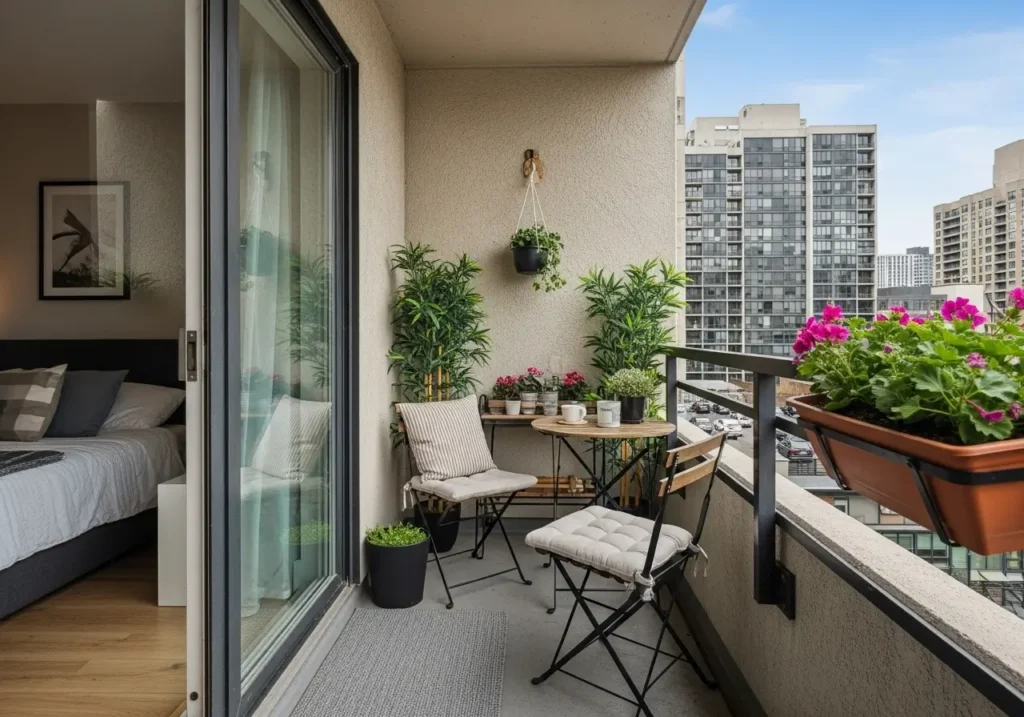
Small balcony with two chairs and a bistro table
Buy:
One compact table cover.
One stack-chair cover if the chairs stack, or two slim individual chair covers.
Lightweight, easy-on fabric with secure hems.
Skip:
Bulky oversized covers that eat storage space.
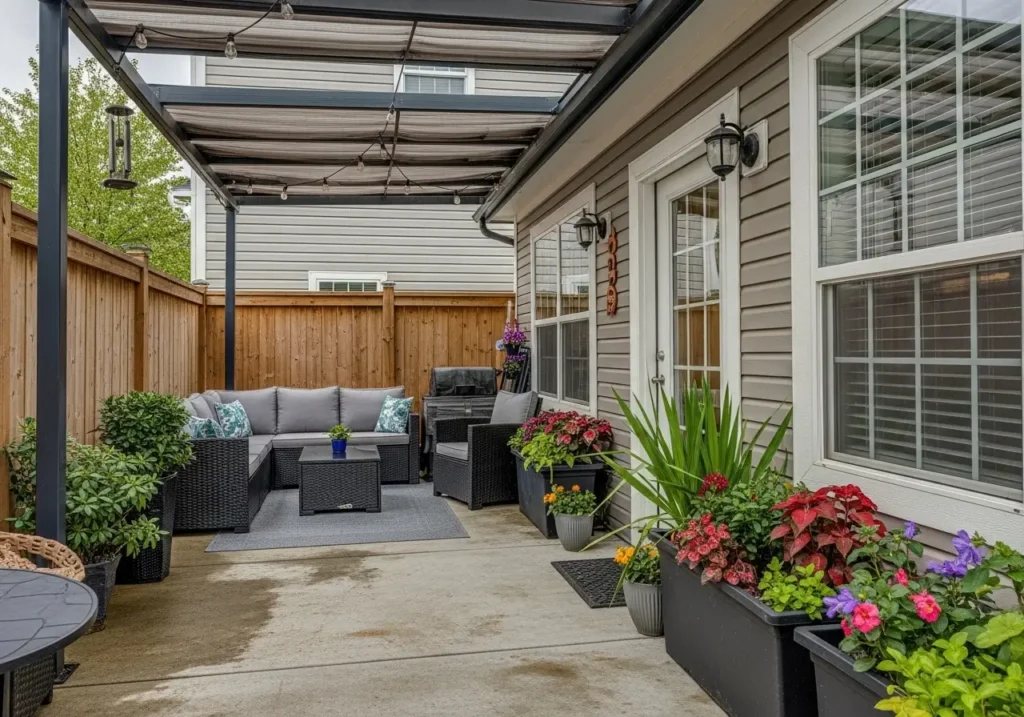
Family patio with sectional and coffee table
Buy:
Modular sectional covers or a well-fitted sectional cover with strong straps.
A separate coffee table cover.
Vented, breathable waterproof fabric.
A support system to prevent pooling.
Skip:
One giant tarp-like cover for everything.
Outdoor dining area under partial exposure
Buy:
A table-and-chair set cover only if it fits well and secures properly.
Separate chair covers if wind is a problem.
Medium-weight water-resistant or waterproof breathable fabric.
Skip:
Loose covers that billow every storm.
Poolside loungers
Buy:
Shaped chaise lounge covers.
Quick-dry, easy-clean fabric.
Strong end fasteners.
Skip:
Boxy covers with huge extra material.
Teak or premium wood furniture
Buy:
Breathable, high-quality covers.
Proper fit and ventilation.
Covers used strategically during harsh weather or off-season periods.
Skip:
Airtight cheap covers that hold moisture against the wood.
My honest buying strategy for Patio Furniture Covers
If I were buying today for a real home, I would not start with brand names or marketing badges. I would start with the furniture pieces that cost the most to replace and take the most abuse. Those get the best covers first.
Then I would filter options through five questions:
Does the cover fit the furniture shape properly?
Does it vent well enough for my climate?
Does it secure tightly in wind?
Will I actually use it regularly, or is it too awkward?
Is the fabric quality good enough to outlast at least a few seasons?
If the answer to any of those is no, I would keep shopping.
For most people, the safest all-around choice is a medium- to heavy-weight polyester outdoor cover with reinforced seams, decent ventilation, secure buckles, and dimensions that match the furniture closely without strangling it. For exposed patios in wet climates, go more waterproof but keep airflow a priority. For hot sunny climates, prioritize UV resistance and flexible fabric over sheer heaviness. For expensive sectionals or odd-shaped sets, custom is often money well spent.
Here is the blunt verdict: Patio Furniture Covers are worth buying when they are treated as part of the furniture system, not a cheap afterthought. The best ones do not just keep rain off. They reduce cleaning, slow fading, protect finishes, and make the patio easier to enjoy. The wrong ones trap moisture, tear early, and create more work than they save. Buy fitted, breathable, secure covers for the pieces that matter most, use a support to prevent pooling, and uncover things often enough to let the furniture breathe. That is the version of “outdoor protection” that actually works.